The Divided Heart: Why Washington Finally Rejected the Myth of Dual Loyalty
WASHINGTON — For decades, the concept of the "global citizen" was celebrated in the halls of power as a mark of sophistication. A politician with a passport from another nation or deep-rooted ties to a foreign power was viewed as an asset—a bridge builder in an increasingly interconnected world.

But with the passage of the "Born in America Act," that bridge has been burned. The United States has officially declared that when it comes to the highest levels of governance, the "global citizen" is a liability, and "dual loyalty" is a dangerous myth that a superpower can no longer afford to entertain.
The Strategic Schizophrenia of Two Flags
The core argument driving this legislative overhaul is not merely legal; it is psychological and strategic. The fundamental question posed by Senator John Kennedy and the "America First" coalition is simple: When the interests of the United States conflict with the interests of your other homeland, which flag do you salute?
In a utopian world, allies never spy on each other, trade wars never happen, and geopolitical interests always align. But we do not live in a utopia. We live in a world of zero-sum games.

When a Cabinet Secretary holds citizenship in a nation with whom the U.S. is negotiating a trade deal, can the American worker trust that Secretary to fight ruthlessly for American terms? When a Senator has familial and financial safety nets in a foreign country, will they vote for necessary sanctions against that nation, knowing it might hurt their own secondary interests?
Supporters of the Act argue that human nature makes total impartiality impossible. Dual loyalty, by definition, creates a "strategic schizophrenia"—a hesitation in decision-making precisely when the nation needs absolute clarity.
The "Soft Compromise" of the Elite
The danger isn't always as dramatic as espionage. It is often a "soft compromise."
Over the last twenty years, critics argue, Washington has been paralyzed by a political class that views the United States not as a home to be protected, but as an economic zone to be managed. This detachment has allowed foreign lobbying firms to exert undue influence, often leveraging the cultural or ancestral ties of policymakers.

By allowing dual citizens to hold high office, the U.S. essentially invited foreign nations to lobby from inside the House floor. The "Born in America Act" closes this backdoor. It asserts that the burden of leadership requires the burden of total risk: If America fails, its leaders should have no other lifeboat, no other passport, and no other sanctuary. They must sink or swim with the people they govern.
Biblical Wisdom in Modern Policy: "No Man Can Serve Two Masters"
The rhetoric surrounding the bill has often leaned on the ancient maxim: No man can serve two masters.
For too long, the American public has watched officials hedge their bets. They have seen policies that prioritize foreign aid over domestic infrastructure, and open borders over national sovereignty. The perception—right or wrong—was that the "masters" being served were international bodies, foreign NGOs, and overseas interests, rather than the voters in Pennsylvania, Michigan, or Arizona.
By banning dual loyalty, the Republic is demanding a return to monogamous patriotism. It is a rejection of the diluted allegiance that characterizes the modern neoliberal order.
A Return to Undivided Allegiance
Critics of the ban call it xenophobic, arguing it limits the talent pool. But proponents counter that the pool of natural-born, exclusively American citizens is vast, talented, and—crucially—unconflicted.
The passage of this Act signals the end of the "citizen of the world" experiment in Washington. The message is stark: If you wish to hold the reins of American power, your heart must belong to America alone. There is no room for a divided heart in the Situation Room.
Midnight has struck on the era of ambiguity. From this day forward, the only pledge of allegiance that matters is the one that ends with "justice for all"—strictly within these borders.
President Trump Gets His Revenge and Sweet Payback. Long Serving RINO Senator Is OUT Of The Lead.
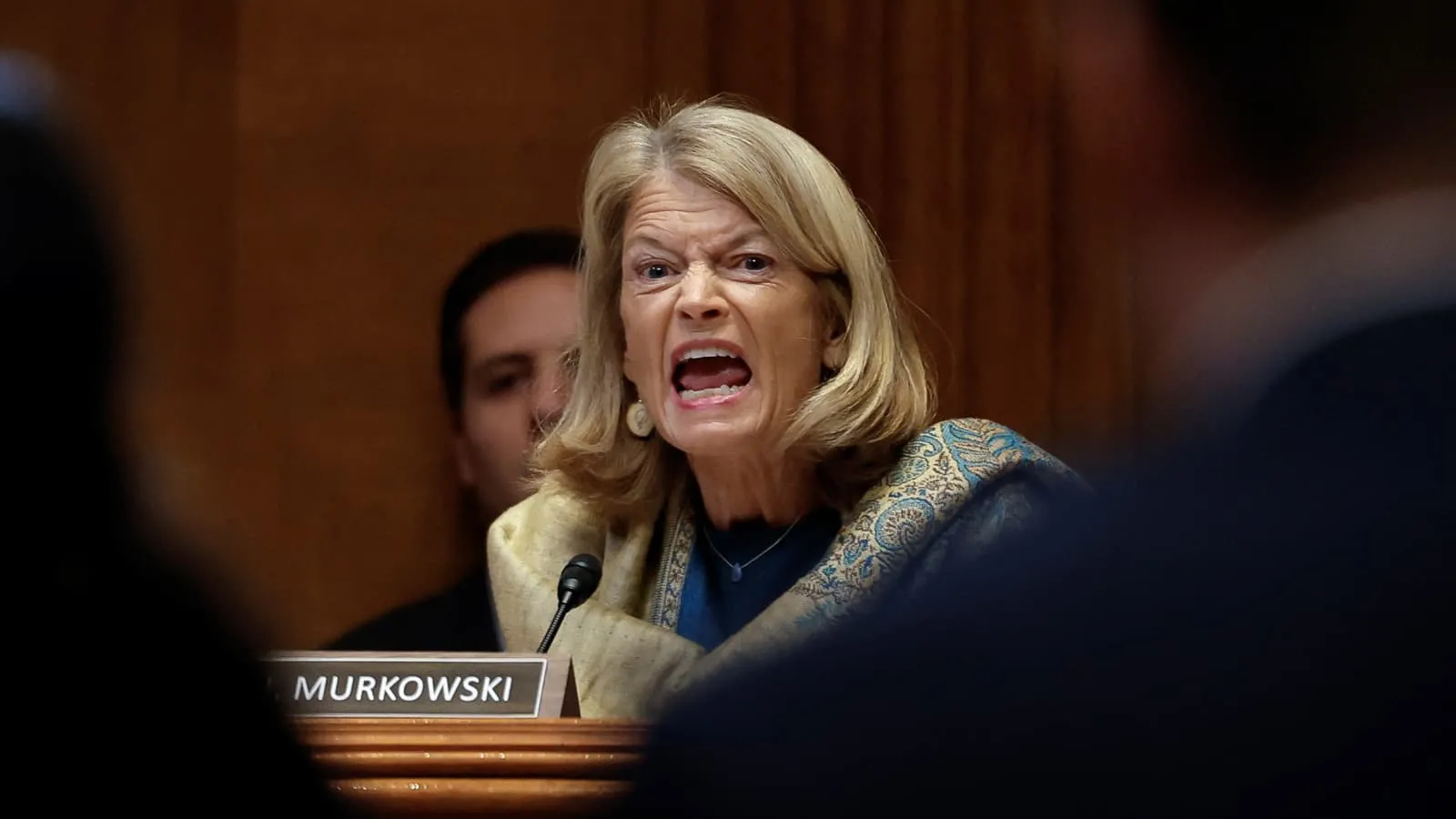
ANCHORAGE, AK — The long game is finally paying off. For years, Lisa Murkowski has stood as the ultimate symbol of the anti-Trump establishment within the GOP, surviving primary challenges and defying the MAGA movement. But her luck just ran out. President Donald Trump is preparing his "sweet payback," and his weapon of choice is Alaska Governor Mike Dunleavy.

The Revenge: "He's Not Sarah Palin"
Murkowski has survived before by painting her opponents as extreme or incompetent. But Mike Dunleavy is a different beast. According to exclusive sources, Dunleavy is preparing to launch a 2028 Senate run to unseat Murkowski. Unlike Sarah Palin, who resigned early and "never recovered," Dunleavy is playing it smart. “He’s not going to quit his term,” a top source confirmed. He will finish his job as Governor, proving his competence, before turning his sights on Washington.
The Cinematic Moment: Standing with Giants
While Murkowski was busy clashing with Trump in D.C., where was Dunleavy? He was standing shoulder-to-shoulder with President Trump and Russian President Vladimir Putin at the historic summit at Joint Base Elmendorf-Richardson in Anchorage on August 15.
-
The Visual: Murkowski is in the hallways of Congress making deals with Democrats. Dunleavy is on the tarmac welcoming world leaders with Trump.
-
The Message: Dunleavy is the trusted ally. Murkowski is the outsider in her own party.

The Stakes: Ending the RINO Reign
This isn't just about one seat; it's about the soul of the Republican Party. Murkowski is often viewed as the "most moderate" (read: liberal) Republican in Congress. Dunleavy, by contrast, was the second governor to endorse Trump in 2016. He visits the White House frequently despite the 3,500-mile distance. “Trump has talked to him before about running and wants him to run,” sources say. The President sees Dunleavy not just as an ally, but as the instrument of his final victory over the old guard.
Vindication: He Can Win the Native Vote
Murkowski's "ace in the hole" has always been the Alaska Native vote and the Ranked-Choice Voting system. But Dunleavy has cracked that code. He is deeply respected in rural Alaska and the North Slope for his focus on energy and infrastructure. “Murkowski has never faced a challenger like him,” an insider noted. “He’s built support that goes beyond just conservatives.”
If Dunleavy can unite the MAGA base with rural Alaskans, Murkowski’s coalition crumbles. The "write-in" miracle of 2010 won't happen twice.
Common Enemy: The D.C. Ego
Dunleavy’s appeal is his hatred for the D.C. swamp. He jokes about preferring the Arctic to "all this concrete" and despises "cocktail parties." Alaskans are tired of a Senator who loves the Washington spotlight. They want a Governor who "gets stuff done." Lisa Murkowski has spent decades building a legacy in D.C. Mike Dunleavy is coming to tear it down.