Supreme Court 6-3 'SHOCKER' - Democrats Freak Out About What's About To Happen After Justice Alito Rips SCOTUS...
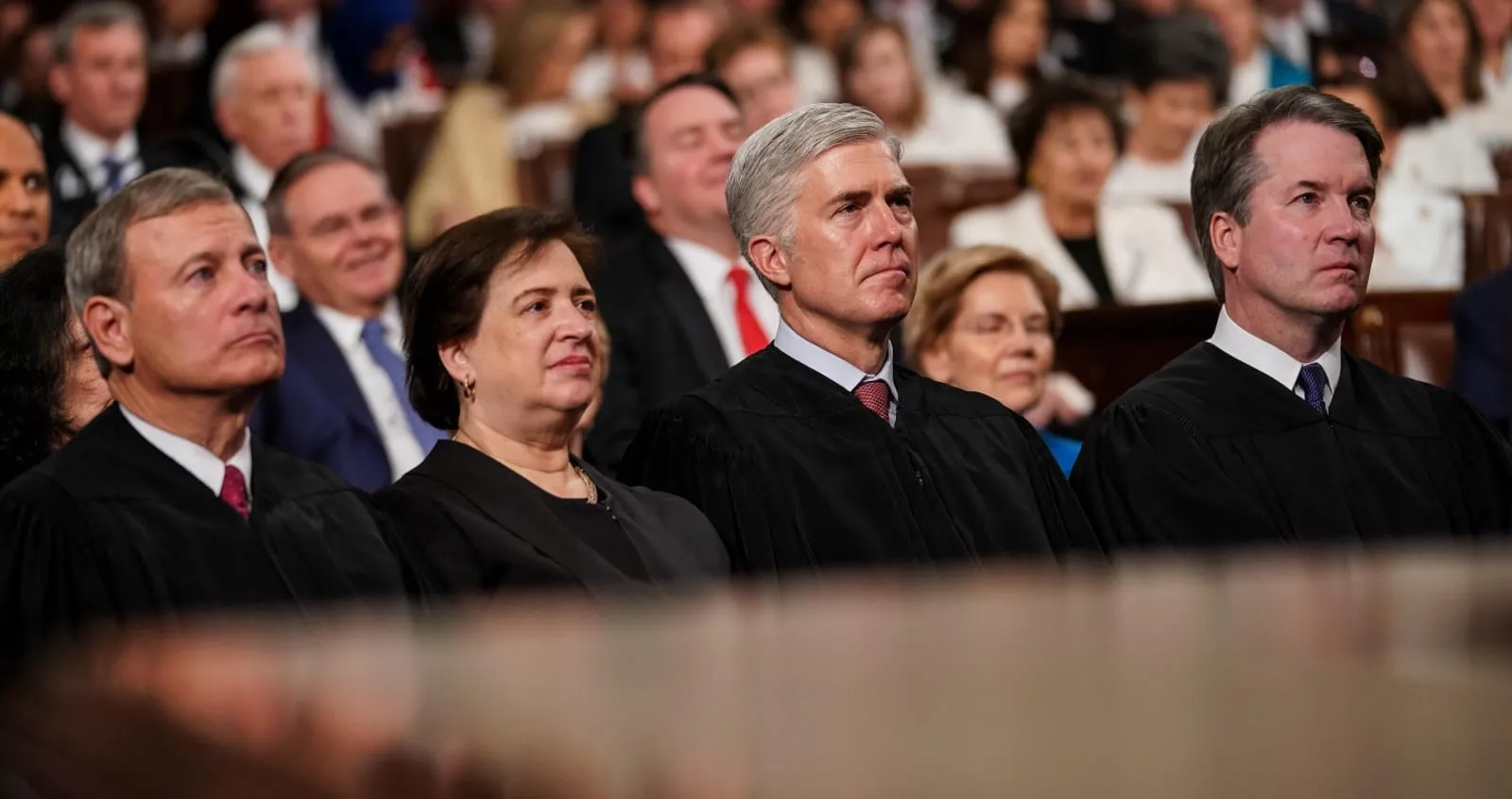
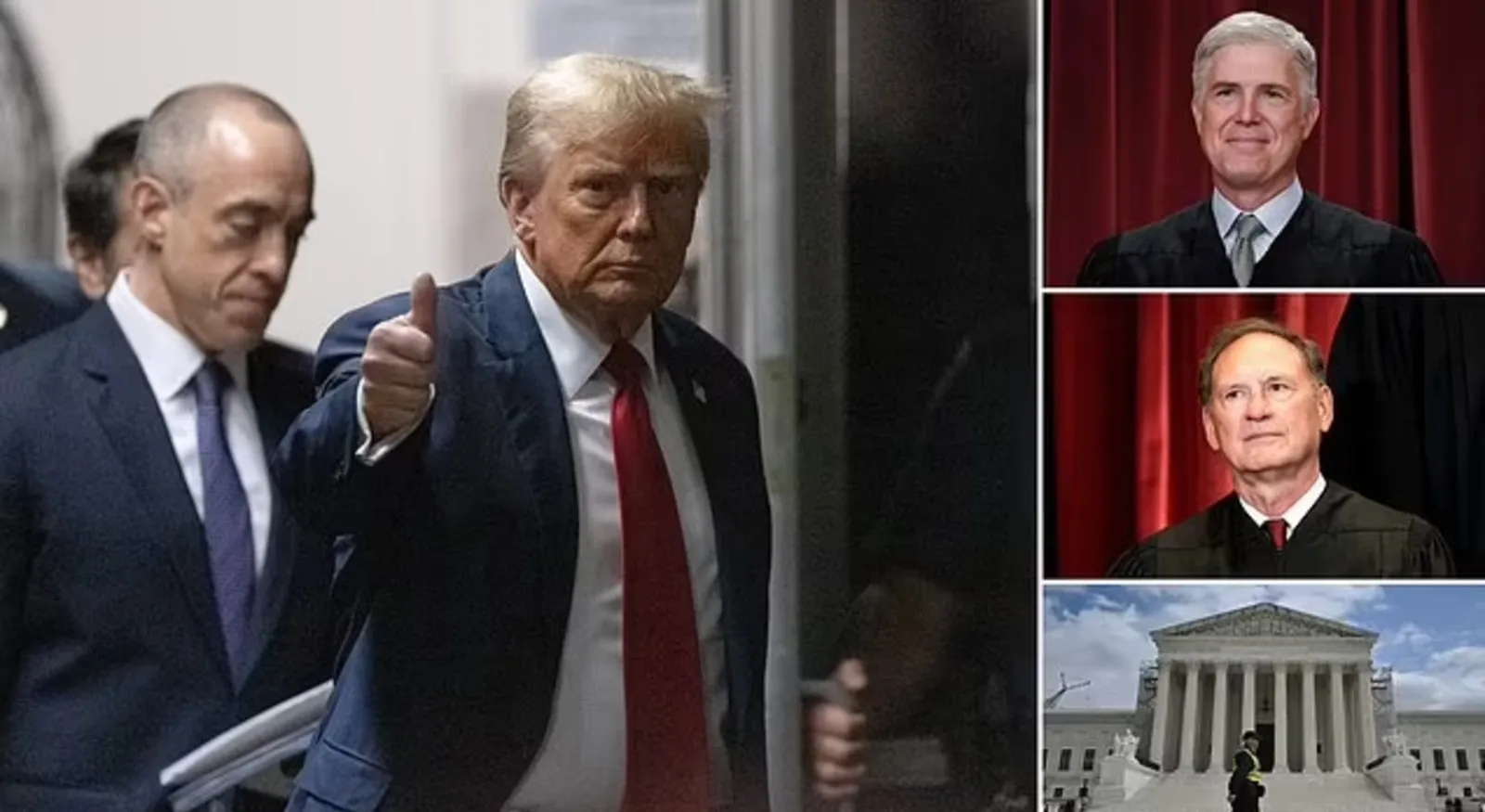
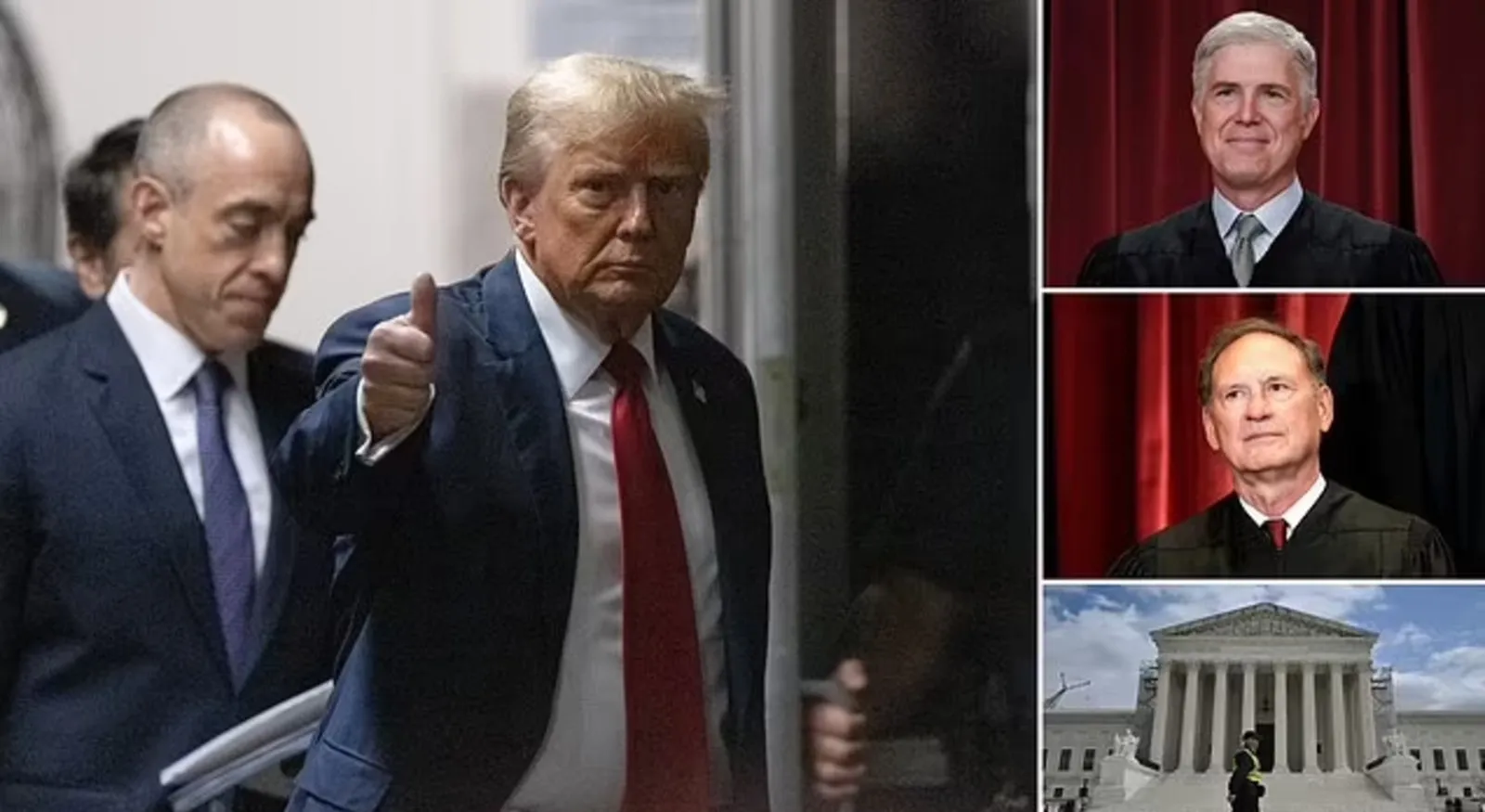
WASHINGTON D.C. — The Supreme Court has delivered a "shocker" that has left conservatives fuming and Democrats prematurely celebrating. In a 6-3 decision, the High Court temporarily blocked President Donald Trump from deploying 300 National Guard troops to restore order in Chicago. But the real story isn't the blockade; it's the blistering dissent from Justice Samuel Alito.
"Unwise and Imprudent"
Justice Alito didn't hold back. Joined by Justice Clarence Thomas, Alito ripped the majority's decision as "unwise" and "imprudent." While the unsigned majority opinion hid behind technicalities about the definition of "regular forces," Alito pointed to the bleeding reality on the ground: Federal officers are under attack. “The protection of federal officers from potentially lethal attacks should not be thwarted,” Alito wrote. He scolded the Court for failing to show deference to the President when agitators are physically obstructing ICE officers and threatening federal facilities.
The Legal Trap: "Regular Forces"
The majority's logic is baffling. They argued that Trump cannot use the National Guard until he proves he is "unable with the regular forces [U.S. Military]" to execute the laws. Essentially, the Court is telling Trump: You can't send the National Guard yet because you haven't tried sending the Army first. Alito called this an "eleventh-hour argument" and warned it leads to "outlandish outcomes." “Our country has traditionally been wary of using soldiers as domestic police,” Alito noted, finding it "puzzling" that the Court would prefer Trump use the active-duty military over the National Guard for simple protection duties.
Chicago Burns, Democrats Cheer
The lawsuit was filed by Illinois Democrats, who claimed that deploying the Guard would "infringe on Illinois’s sovereign interests." Apparently, their "sovereign interest" includes allowing federal agents to be assaulted and immigration laws to be ignored. Trump’s administration argued that local law enforcement was useless in stopping the mobs. The Court’s ruling leaves those federal agents exposed, with only Alito, Thomas, and Gorsuch willing to say enough is enough.
What Comes Next?
This is a temporary order while the case proceeds, but the implications are massive. Trump has plans to clean up Portland and California next. Alito’s dissent is a warning: By tying the President's hands with semantic games about "regular forces" vs. "National Guard," the Court is inviting chaos. Democrats may be freaking out about what happens next—because if the Court insists Trump use "regular forces," he might just take them up on it.
Supreme Court Makes The Call In Closely-Watched Case. Removal Decision Is Coming, As Trump Admin Remains On Ed...
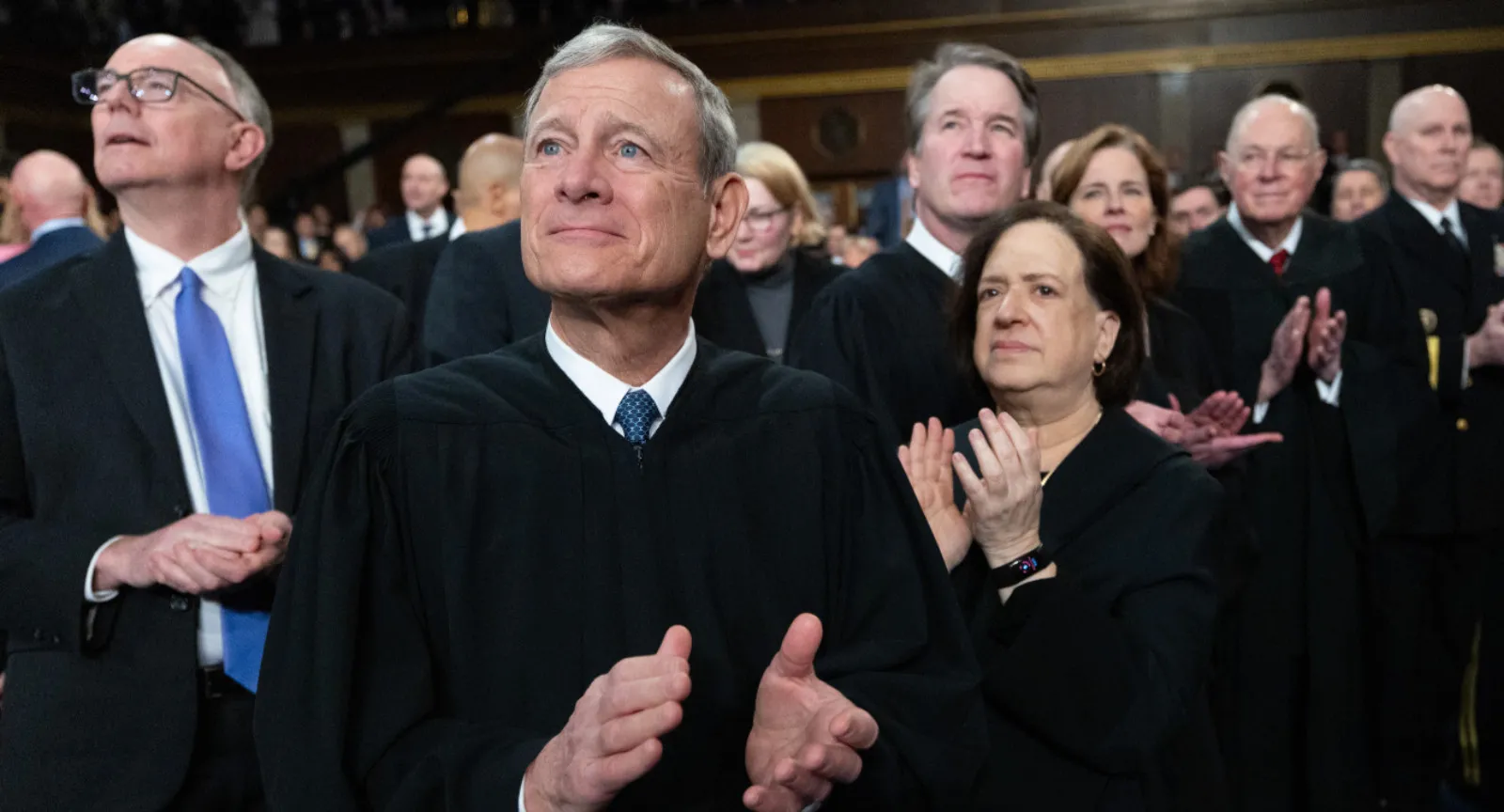
WASHINGTON D.C. — The Supreme Court is about to make the call. On Wednesday, the nine justices will hear arguments in Trump v. Cook, a landmark case that will decide whether the President of the United States has the authority to fire a Federal Reserve Governor, or if the central bank remains an "untouchable" fourth branch of government.

The Showdown: Trump vs. Cook
At the center of the storm is Lisa D. Cook, a Biden appointee and the first Black woman to serve on the Board of Governors. President Trump has attempted to fire her, citing "cause."
-
The Allegation: Trump alleges Cook committed mortgage fraud prior to her appointment, citing discrepancies in her property filings where she claimed multiple primary residences.
-
The Defense: Cook denies the charges, calling them politically motivated, and argues that under the Federal Reserve Act, she can only be removed for "cause"—a standard she claims Trump hasn't met.
Even CNN legal analyst Elie Honig acknowledged last year that the suspicious activity in her files was “really problematic.” Yet, lower courts have blocked her removal—until now.
The Stakes: Article II vs. Independence
This isn't just about Lisa Cook; it's about who runs the country. Liberals and legal experts like John Yoo argue that political control over the Fed will "inevitably lead to inflation" and wreck the economy. They claim the Fed must remain insulated to protect monetary policy. “This Supreme Court has taken a very expansive approach to executive authority,” noted Columbia Law Professor Kathryn Judge.
The Trump administration counters that Article II of the Constitution gives the President valid authority over executive officers. If a Governor commits fraud, the President must have the power to remove them. The idea of an unelected official serving a 14-year term with zero accountability to the sitting President is, in their view, unconstitutional.
The Powell Factor
Looming over this case is the shadow of Fed Chair Jerome Powell. Powell has publicly criticized a Justice Department investigation into his own conduct as "politically motivated." The probe is tied to his congressional testimony about a costly building project, but Trump’s allies see it as a necessary cleanup of a rogue agency. If the Supreme Court rules that Trump can fire Lisa Cook for her alleged ethical lapses, the protective shield around Jerome Powell evaporates.
The Verdict Awaits
The Supreme Court allowed Cook to remain in her seat temporarily in August, but the final decision is expected by June. Will the Court protect the "distinct historical tradition" of the Fed? Or will they rule that in a democracy, no bureaucrat is above the President—especially one facing credible allegations of fraud? The arguments begin Wednesday. The removal decision is coming.